
Recent Post
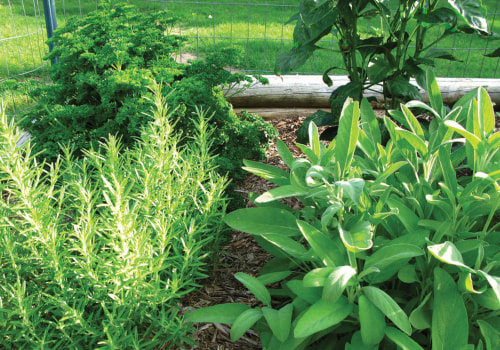
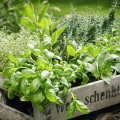
Growing Herbs in Travis County, Texas: A Guide for Gardeners
Gardening in Travis County, Texas can be a challenge due to the hot summers and frosty winters. But with the right...
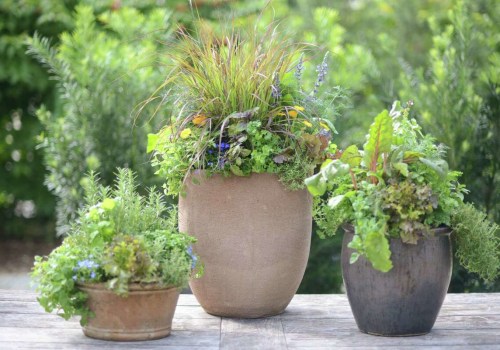
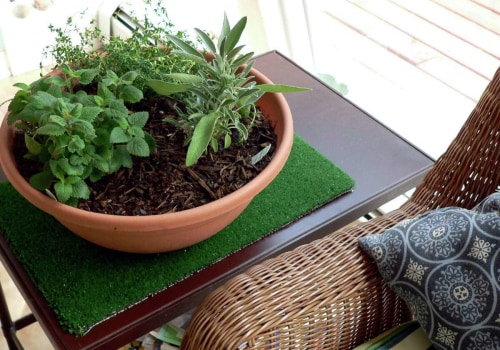
Growing Herbs Indoors in Travis County, Texas: What Containers to Use
Growing herbs indoors in Travis County, Texas can be a great way to enjoy fresh herbs all year round. But what type of...
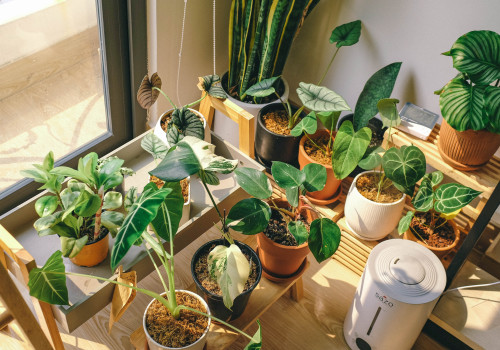
Fertilizing Your Indoor Herb Garden in Travis County, Texas
When it comes to caring for your indoor herb garden in Travis County, Texas, there are a few key things to keep in mind....
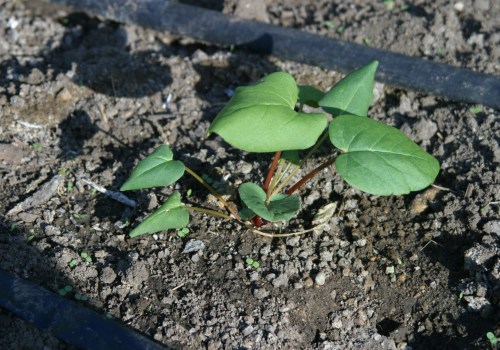
Growing Herbs in Travis County, Texas: What You Need to Know
Herbs are one of the easiest plants to cultivate in Central Texas and Austin. When planting herbs such as rosemary and...
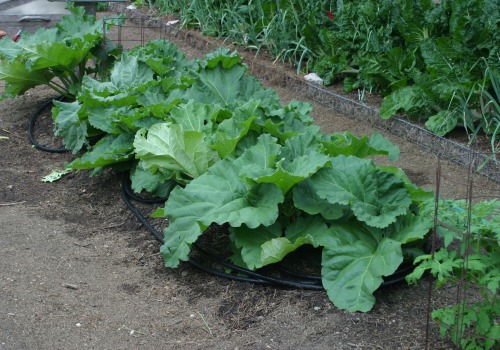
Growing Herbs in Travis County, Texas: Benefits and Advantages of Cultivating Herbs in Central Texas
Herbs are one of the most straightforward plants to cultivate in Central Texas and Austin. Not only do they add flavor to ...
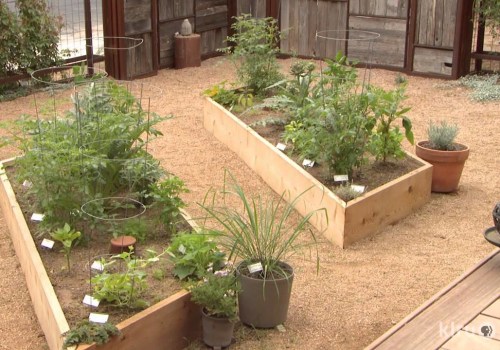
Organic Weed Control for Growing Herbs in Travis County, Texas
Frustrated with the weeds in my garden, I decided to explore organic methods of weed control. Scotts MossEx is an...
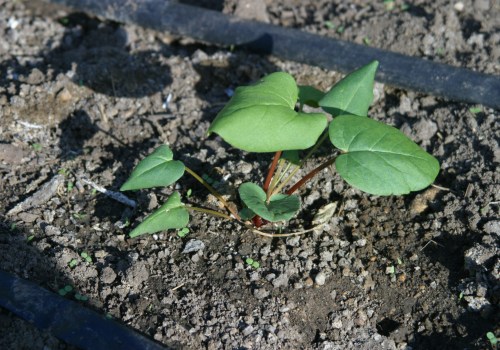
The 10 Best Herbs to Grow in Travis County, Texas
Travis County, Texas is a great place to grow herbs. From Purple Echinacea to Mints, Thyme, and Oregano, there are plenty ...
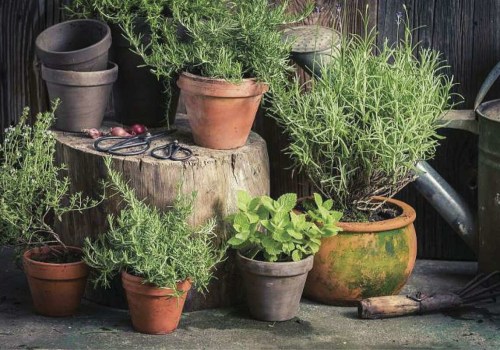
Growing Herbs Indoors in Travis County, Texas: The Best Fertilizers for Optimal Results
Growing herbs indoors in Travis County, Texas can be a rewarding experience, but it requires a little extra effort to...